In the rapidly evolving landscape of industrial automation, smart manufacturing, and edge computing, traditional enterprise IT infrastructure is no longer sufficient. To handle the harsh conditions of factory floors, outdoor deployments, and critical infrastructure, system integrators and automation engineers turn to specialized hardware: the industrial box PC.
However, when transitioning from standard computer hardware to a high-performance industrial embedded computer, procurement teams and engineering departments are frequently met with significant price differentials. An initial glance at the market might trigger a fundamental question: What exactly drives the cost of high-performance systems like a rugged edge computer, and why do they require a higher upfront investment compared to commercial-grade equipment?
To justify this investment to corporate finance and operational stakeholders, it is essential to look past surface-level hardware specifications. Instead, decision-makers must look into the specialized engineering behind fanless hardware solutions, component selection, long-term lifecycle management, and strict compliance testing that define a true, field-ready ruggedized controller or a specialized DIN-rail PC system.
Deconstructing the Hardware: Core Cost Drivers of High-Performance Components
The absolute foundation of any computing system lies in its internal silicon and electronic components. In a commercial desktop or consumer-grade laptop, components are chosen based on immediate raw performance per dollar, with the assumption that the device will operate in a climate-controlled office environment for a few years before being replaced. For an industrial box PC deployment, this paradigm is completely flipped. Every single diode, capacitor, and integrated circuit must be meticulously selected to withstand extreme operational stress.
Wide-Temperature Silicon and Industrial-Grade ICs
Standard consumer processors and memory modules are rated to operate within a narrow temperature envelope, typically between 0°C and 60°C or 70°C. When an embedded system is deployed in an outdoor traffic management cabinet, a steel mill, or an aerospace application, ambient temperatures can easily swing from sub-zero freezes to blistering heat.
High-performance industrial embedded PCs utilize premium, wide-temperature components rated to run reliably from -40°C up to 85°C. Silicon wafers capable of stable operation at these extremes must undergo rigorous sorting and testing at the semiconductor foundry level. This selective screening process naturally increases manufacturing costs but guarantees that the system will not suffer from thermal-induced logic errors or sudden component failure when the environment becomes hostile.
High-Performance Silicon: CPUs, GPUs, and NPUs
“High-performance” in the modern industrial sector implies a lot more than just running a basic Programmable Logic Controller (PLC) interface. Today’s edge devices are tasked with complex workloads, including real-time machine vision, AI-driven predictive maintenance, and multi-channel high-definition video analytics. To process these massive data streams locally without relying on latent cloud connections, these machines must be outfitted with advanced processing units:
- Flagship Embedded CPUs: Utilizing enterprise and embedded variants of Intel® Core™ i7/i9, Intel® Xeon®, or AMD Ryzen™ Embedded processors. These chips feature higher core counts, advanced virtualization capabilities, and extended embedded lifecycles, which command a higher cost than standard consumer variants.
- AI Accelerators: The integration of dedicated Graphics Processing Units (GPUs), Neural Processing Units (NPUs), or Vision Processing Units (VPUs) adds another layer of cost. Whether built directly onto the motherboard or added via specialized expansion modules, these accelerators provide the tera-operations per second (TOPS) required for advanced artificial intelligence at the edge.
Advanced Thermal Engineering and Fanless Architecture
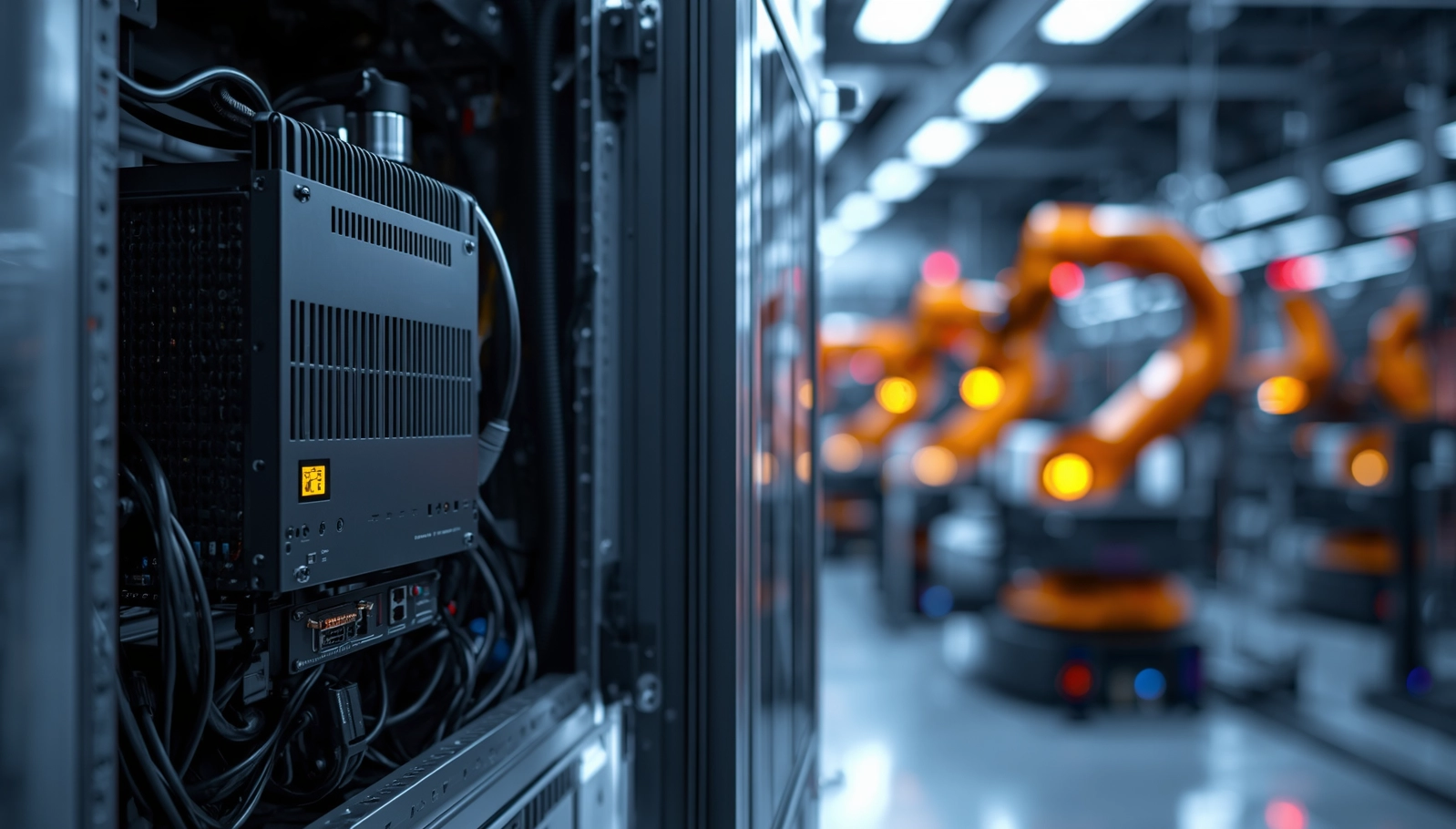
One of the most distinct physical attributes of a high-performance industrial box PC system is the lack of a traditional cooling fan. In heavy industrial environments, airborne contaminants such as conductive dust, oil mist, moisture, and metallic shavings are commonplace. A cooling fan acts as a vacuum, drawing these harmful particles directly inside the computer housing, leading to short circuits and catastrophic mechanical blockages.
To eliminate this vulnerability, elite industrial embedded PCs employ a fanless design. Engineering a high-performance system to dissipate heat passively requires sophisticated thermal modeling and premium materials:
- Pure Aluminum and Copper Heat Sinks: Instead of relying on moving air, the entire outer chassis of the box PC is engineered as a massive, heavy-duty aluminum heat sink extruded with precision fins to maximize surface area.
- Copper Heat Pipes: High-wattage processors are coupled with custom-designed copper heat pipes that rapidly transfer thermal energy away from vital silicon dies directly to the external chassis.
- Industrial Thermal Interfaces: Premium, high-conductivity thermal pads and phase-change materials are applied to bridge the gap between components and the housing, ensuring optimal heat transfer over decades of continuous operation.
This extensive mechanical R&D and material quality substantially increases the initial manufacturing cost but yields a completely sealed, maintenance-free enclosure that dramatically extends the system’s operational lifespan.
Certifications, Ruggedization, and Longevity: The Invisible Cost Drivers
While physical computing components represent the tangible elements of an industrial PC, a significant portion of the total cost is driven by invisible factors: exhaustive testing, international certifications, highly customized input/output (I/O) design, and guaranteed product longevity.
Rigorous Ruggedization Testing and Certifications
Before an industrial embedded PC can be legally or safely deployed in critical infrastructure, it must pass a battery of stringent compliance checks. Achieving these certifications requires massive upfront investment in research, development, and third-party laboratory verification.
- Shock and Vibration Resistance (MIL-STD-810H): Industrial computers are frequently mounted inside heavy machinery, rolling stock, railway cars, or military vehicles. They must withstand constant, punishing physical vibrations and sudden high-G impacts. Designing a motherboard with reinforced solder joints, locked-in expansion slots, and solid-state storage (SSD) systems that pass military-grade certification adds considerable engineering overhead.
- Ingress Protection (IP Ratings): Achieving a high IP rating (such as IP65, IP66, or IP67) requires precision-machined enclosures, specialized rubber gaskets, and sealed, watertight I/O connectors.
- Electromagnetic Compatibility (EMC/EMI): Industrial environments are plagued by heavy electromagnetic interference generated by large electric motors, welding equipment, and high-voltage power lines. Industrial box PCs require advanced electrical isolation, multi-layer PCB shielding, and specialized power input filters to prevent data corruption or component damage from electrical surges.
Bespoke and Isolated I/O Interfaces
Unlike consumer computers that rely entirely on standardized USB and HDMI ports, industrial systems must interface with a vast array of legacy and specialized hardware. High-performance industrial embedded PCs feature highly customizable and electrically isolated I/O panels.
Integrating isolated COM ports, multi-channel Gigabit Power over Ethernet (PoE) for machine vision cameras, CAN bus for automotive telemetry, and Digital Input/Output (DI/DO) terminals requires complex secondary circuitry. Isolation chips prevent high-voltage spikes from peripheral industrial equipment from traveling back into the main CPU core, safeguarding the entire system at an increased component cost.
| Interface Type | Technical Specifications | Core Industrial Value (Protection & Application) |
| Wide DC-Input | 9V – 48V Voltage Range | Handles severe factory power grid fluctuations; prevents system reboots or damage from unstable voltage. |
| Isolated COM Ports | RS-232 / RS-422 / RS-485 | Built-in electrical isolation shields internal processors from heavy peripheral equipment surges. |
| Gigabit PoE | Specialized Power-over-Ethernet | Tailored for machine vision installations, combining high-speed data and stable power delivery over a single cable. |
| DI/DO Terminals | Digital Input / Digital Output | Enables reliable, direct communication with sensors, actuators, and mechanical relay switches. |
Component Lifecycle Management and Availability
In the consumer market, a computer model becomes obsolete within 12 to 18 months as manufacturers continuously cycle through hardware generations. In contrast, industrial projects require a stable hardware baseline that can be procured, deployed, and supported for 7 to 15 years without modification.
To guarantee this long-term availability, industrial PC builders must partner with semiconductor manufacturers like Intel and AMD to secure access to dedicated “embedded roadmap” chipsets. This long-term lifecycle management requires manufacturers to maintain strict revision controls, manage warehouse storage for components, and offer guaranteed support, all of which are factored into the initial cost.
The Total Cost of Ownership (TCO) vs. Initial Purchase Price
When assessing the budget for an industrial computing project, focusing exclusively on the upfront capital expenditure (CapEx) is a short-sighted approach. The true financial metric that smart operations managers track is the Total Cost of Ownership (TCO) over the entire deployment lifecycle.
The Real Cost of Downtime
In an automated manufacturing facility, an automotive assembly line, or an energy distribution hub, the failure of a single control PC can bring entire operations to a grinding halt. The financial penalties of downtime are severe and are calculated using the following breakdown:
If a cheap, commercial-grade computer costing $500 is used instead of a rugged $2,000 high-performance industrial box PC, the initial saving is $1,500. However, if that commercial unit fails due to dust accumulation or thermal stress, causing just one hour of factory downtime (which easily averages tens of thousands of dollars), the initial cost savings vanish instantly.
Maintenance and Field Replacement Costs
Deploying technicians to remote oil fields, wind turbines, or transit stations to swap out a failed computer is logistically complex and highly expensive. High-performance industrial embedded PCs eliminate moving parts, use solid-state components, and feature high Mean Time Between Failures (MTBF) ratings—often exceeding 100,000 hours of continuous operation. The lack of field maintenance, reduced filter replacements, and prolonged replacement cycles make industrial-grade hardware the more financially sensible choice over a multi-year timeline.
Overcoming Supply Chain Hurdles: The Beyond Info System Advantage
Understanding the structural drivers behind industrial hardware costs allows procurement teams to make informed decisions. However, a major bottleneck in modern system integration isn’t just the price—it’s the availability and agility of the hardware partner. Many tier-one industrial hardware manufacturers suffer from rigid ordering processes, massive Minimum Order Quantities (MOQ), and extensive lead times that can stall projects for months.
This is exactly where Beyond Info System redefines the industrial hardware procurement experience. By bridging the gap between uncompromising hardware reliability and flexible, agile supply chain execution, Beyond Info System offers a tailored solution path optimized for modern, fast-moving industries.
Premium Hardware Architecture Available Online
Discovering verified hardware platforms shouldn’t be difficult when analyzing product specifications and long-term deployment costs. You can explore a comprehensive portfolio of rugged, high-performance computing platforms directly via the Beyond Info System Embedded Box PC Hub. Each system is engineered from the ground up to feature fanless thermal management, wide-voltage power delivery, and elite processing performance designed to optimize your long-term TCO.
Strategic Supply Chain & Service Values
Beyond Info System directly solves the common logistical friction points encountered by modern engineers and procurement managers by offering three core operational guarantees:
- Rapid Delivery (1-2 Weeks): While the industry standard for custom or high-performance industrial computers frequently stretches from 8 to 26 weeks, Beyond Info System leverages an optimized component supply chain to deliver your systems within a rapid 1-to-2-week window, keeping your commissioning schedules on track.
- Small MOQ Flexibility: Innovation and deployment don’t always start with thousands of units. Whether you need a single proof-of-concept prototype unit or a small-batch deployment for a specialized regional facility, Beyond Info System supports your business growth with small MOQ options tailored to your exact project scope.
- 100% Quality Assurance: Every hardware platform undergoes strict burn-in testing, thermal cycling, and functional verification prior to shipping. This uncompromising commitment to quality ensures that when a system arrives at your site, it is fully optimized to provide continuous, zero-downtime productivity in the field.
Frequently Asked Questions (FAQ)
Q1: What is the expected price range for a true high-performance industrial box PC? The cost of high-performance industrial embedded PCs typically ranges from $1,200 to upwards of $4,000+ per unit, depending heavily on configuration. Base industrial configurations with entry-level embedded processors reside on the lower end, while platforms equipped with high-core Intel® Core™ i9/Xeon® processors, integrated AI expansion modules (like NVIDIA modules), and specialized isolated multi-LAN ports sit at the premium end of the spectrum.
Q2: Can I use a standard commercial PC if my factory floor is climate-controlled? It is highly discouraged. Even if the ambient room temperature is regulated, standard commercial PCs feature open ventilation slots that draw in airborne dust, humidity, and microscopic contaminants over time. Furthermore, commercial motherboards lack protection against unexpected power surges, electromagnetic noise, and physical vibrations from surrounding machinery, making them prone to early failure.
Q3: How do modular I/O options affect the total cost of an industrial box PC? Modular I/O designs provide excellent cost-efficiency. Instead of paying for a highly complex, bloated motherboard with native ports you may never use, modular systems allow you to choose a streamlined base computer and add exact expansion modules (such as extra PoE ports, Wi-Fi 6 modules, or isolated CAN bus cards). This customization allows you to optimize costs without paying for unnecessary overhead.
Q4: Why is a fanless system considered more cost-effective over its lifecycle? Fans are mechanical devices containing moving bearings that naturally wear down over time. In industrial environments, a fan failure leads to instant component overheating and system shutdown. By removing the fan, you eliminate the primary point of mechanical failure, prevent internal dust accumulation, and completely eliminate the operational costs associated with routine fan cleaning and filter replacement.
Secure Your High-Performance Computing Infrastructure
Maximizing operational efficiency while managing the structural cost of high-performance industrial embedded PCs requires a partner that values both technical excellence and supply-chain agility. Don’t let extensive lead times and rigid ordering structures hold back your automated future.
💡 Ready to deploy high-reliability, fanless box PCs with fast turnaround times and custom flexibility? > Connect with our global engineering team today. [Contact Us at Beyond Info System] to discuss your precise technical requirements and obtain a comprehensive, value-driven project quote.